.
Notes on the Production of Architecture through the Production of Images:
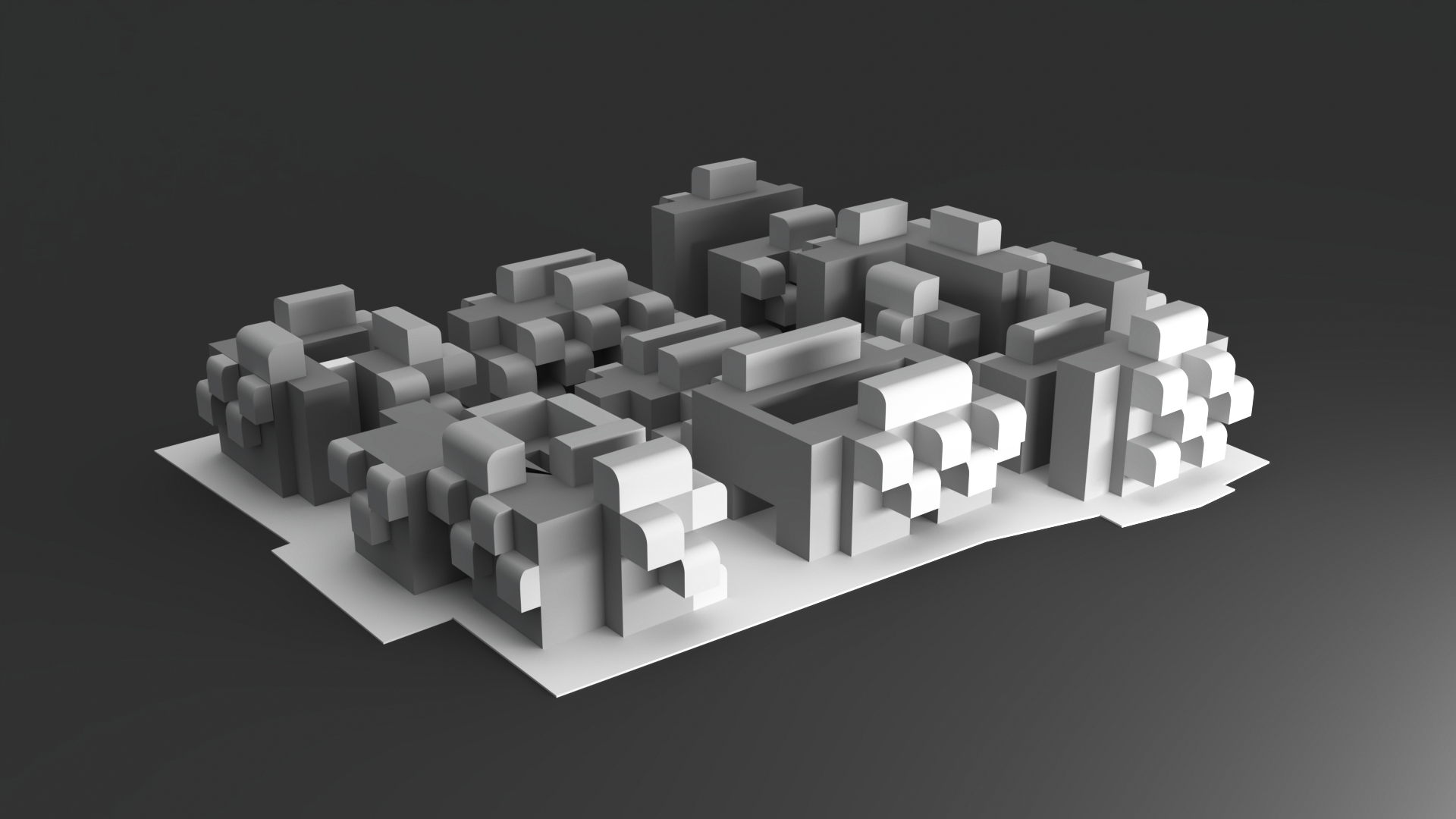
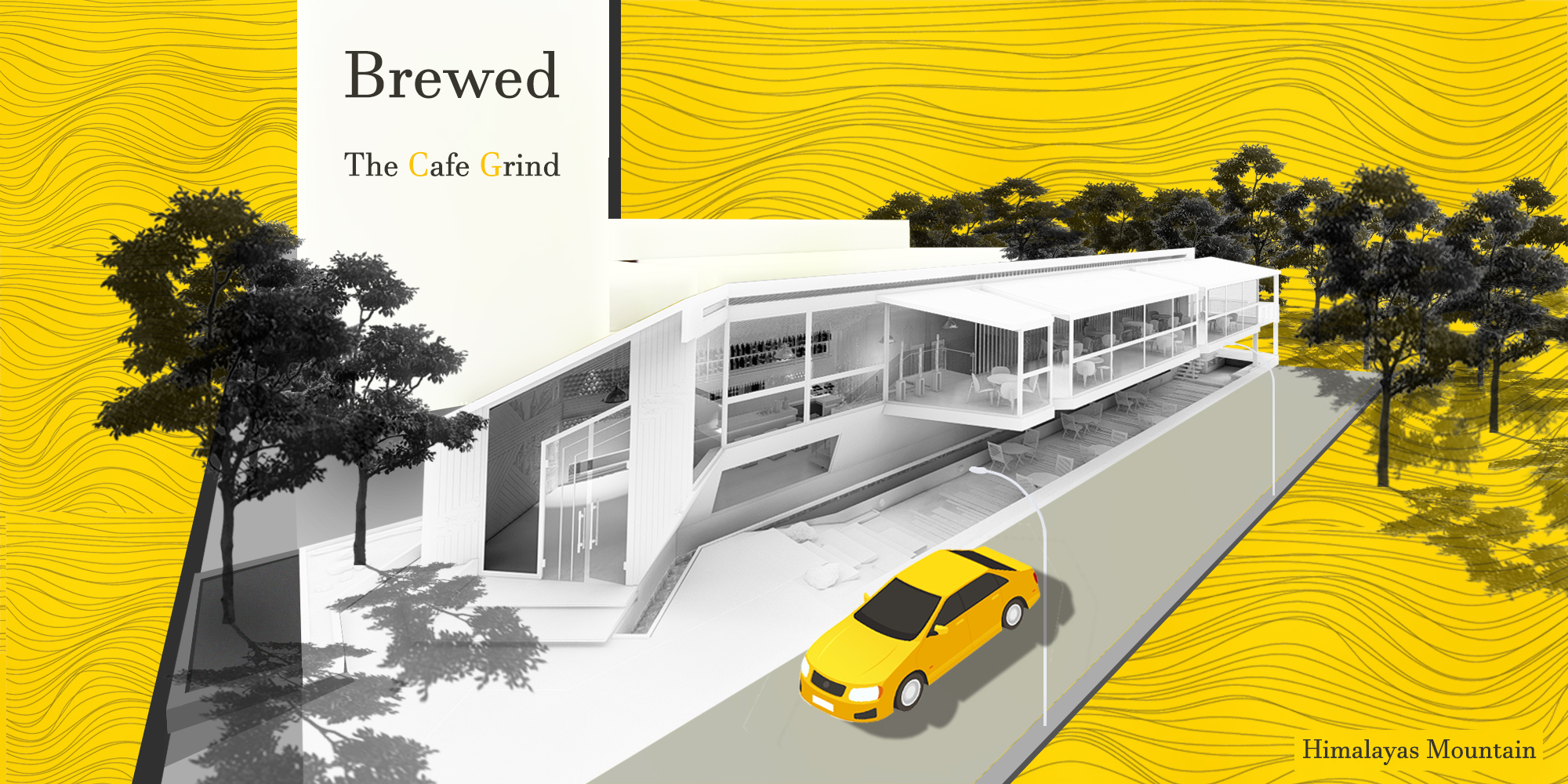
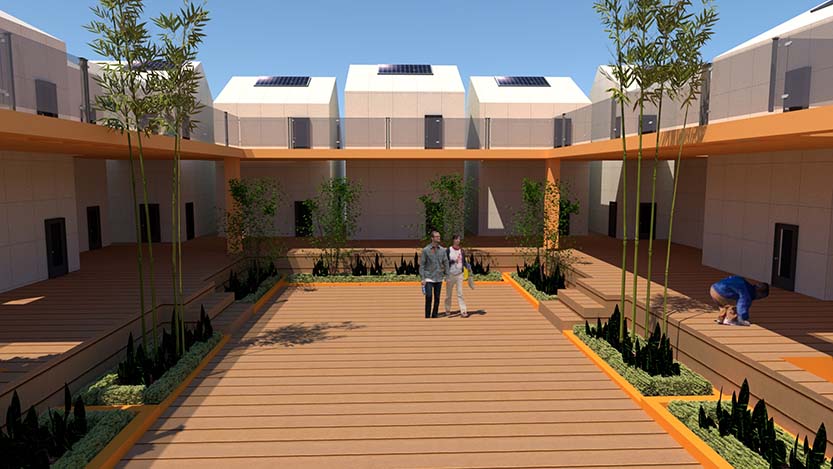
Indeed, the most celebrated architectural buildings are today known through their reproductions, especially photographs. It is possible to say that post-Fordist modes of production, in which communication plays a key role, implies an experience of architecture in which the object (architecture) and the viewer’s subjective response to it are constantly collapsed into the same entity. This is evident in architectural projects which use perspectival views to produce an empathetic relationship with their audience. Images do not simply render proposed interventions but suggest and determine ways to experience them; the representation of architecture thus becomes one with its subjective experience. It is within this context that a critical stance towards the role of images is not to refuse them, but to open a gap—a critical distance—between images and their experience.
And yet everything ends up being an image. Even if architects dislike images and try to stage “real” events or situations, images remain the fundamental medium through which these events are transmitted. Instead of trying to go beyond images, perhaps it would be more interesting to understand them not as mere illustrations, but as a form of production.
In post-Fordist society, the reality of production exists at the intersection of information, knowledge, communication, relationships and physical objects. This can be seen as a departure from the postmodern distinction between virtual and reality, into post-operaist thought where production as information and relationships coexist in the same field as material entities. Communication, representation and affect, thus become fundamental assets of contemporary post-Fordist political economy as immaterial production. The reproduction of architecture within the productive/re-productive apparatus of post-Fordist economy thus, becomes a part of immaterial production as much as material production.
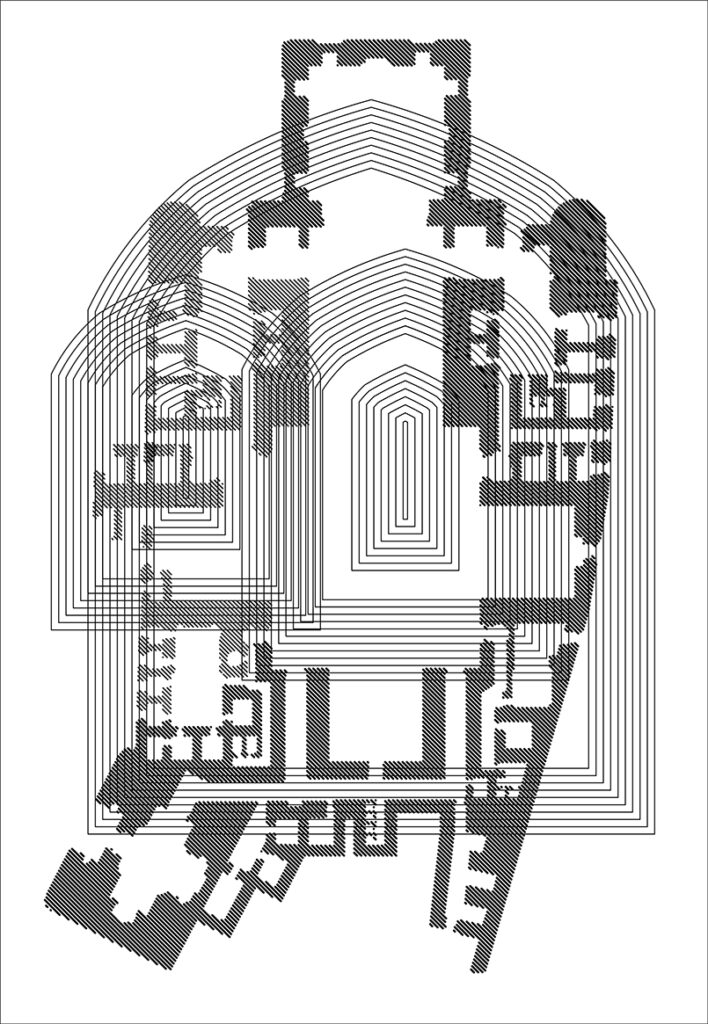
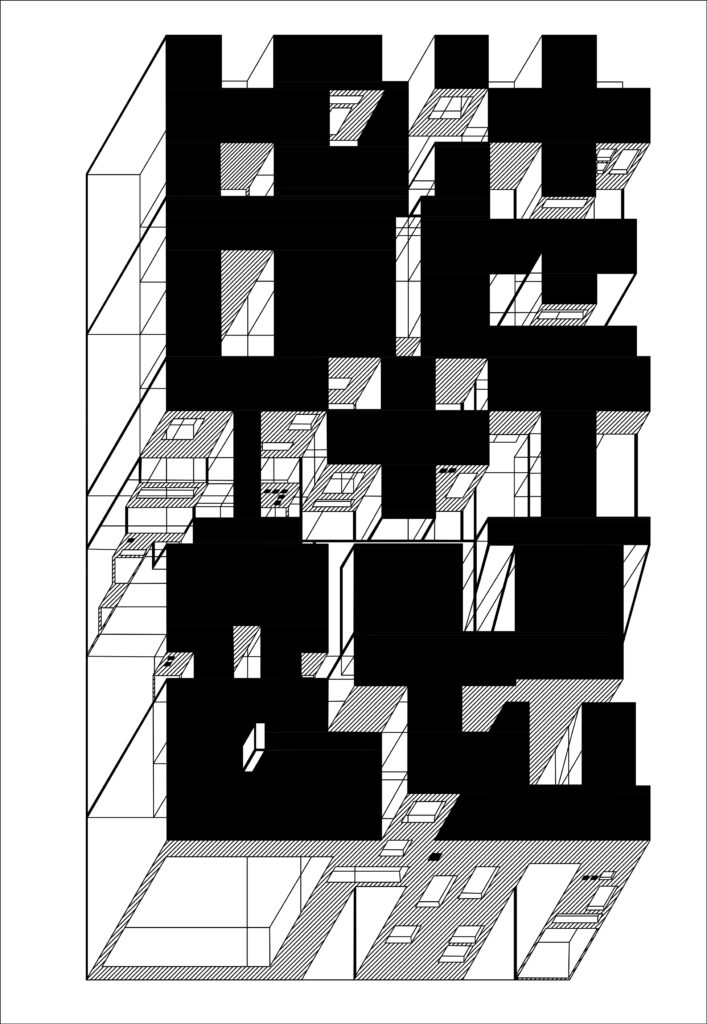
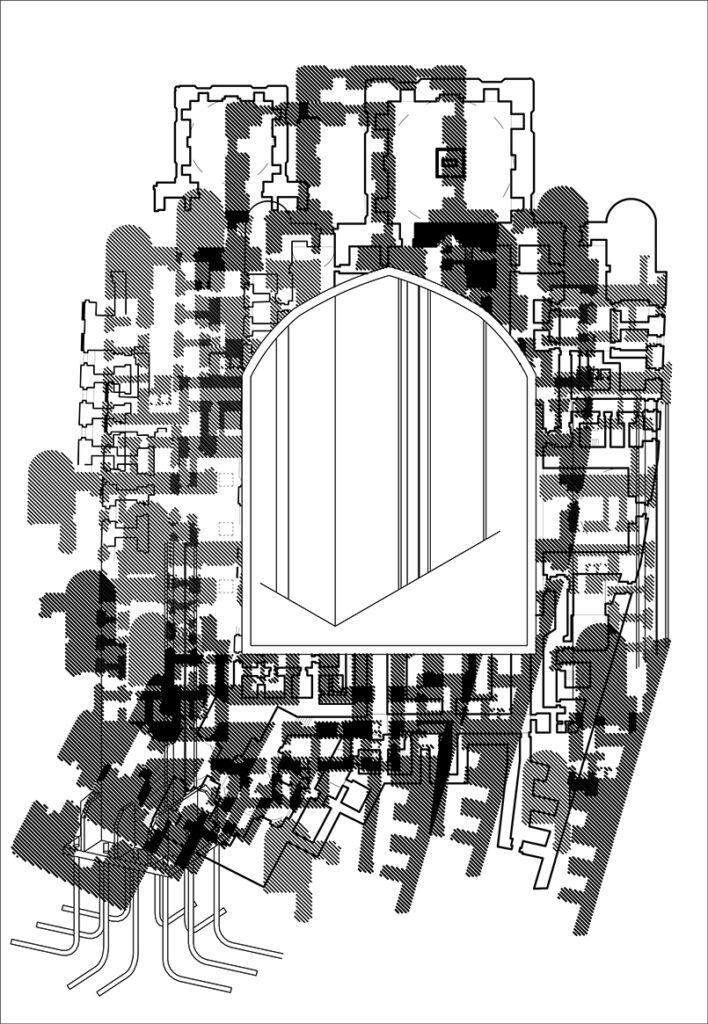
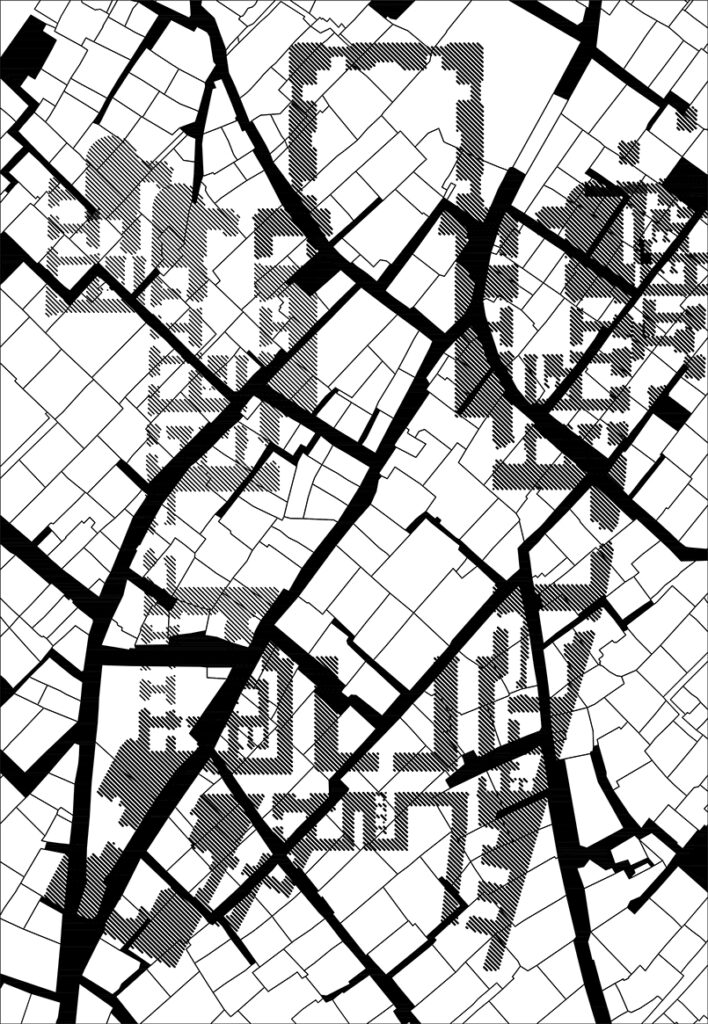
Therefore, architecture cannot be considered only as the built environment, but also the embodiment of ideas, values, relationships and ideologies. This strain of thought allows for the production of architecture through the production of images as an embodiment ideas, values, relationships and ideologies — an architecture that is not built.
Thus, the process of image production for the production/re-production of architecture becomes a radical alternative to the use of images simply as a medium of representation.
Architecture then, is not separated from the image. It becomes a reality within the material reality of the image. “Images are not just simulacra of reality, but have a material reality; they are things among things.”
.
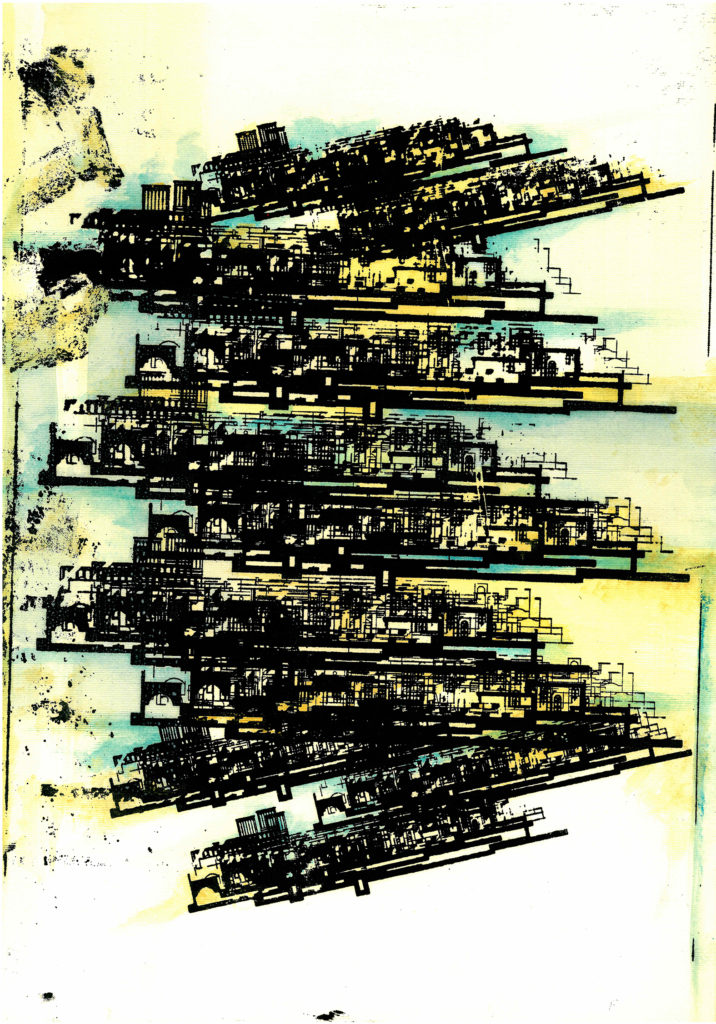
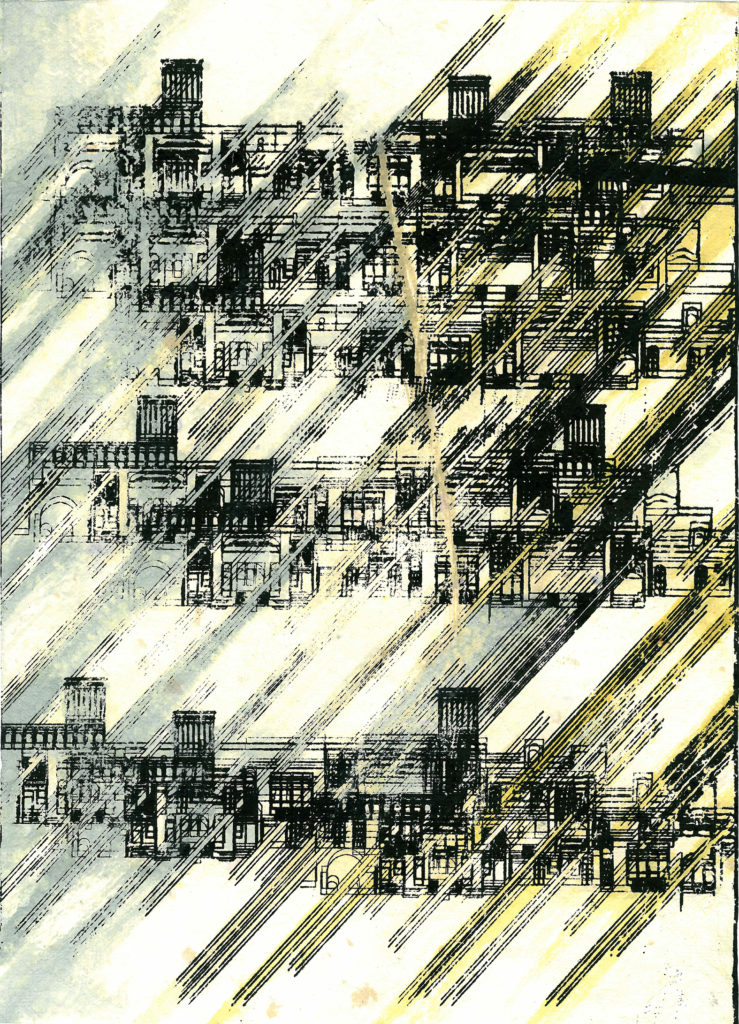
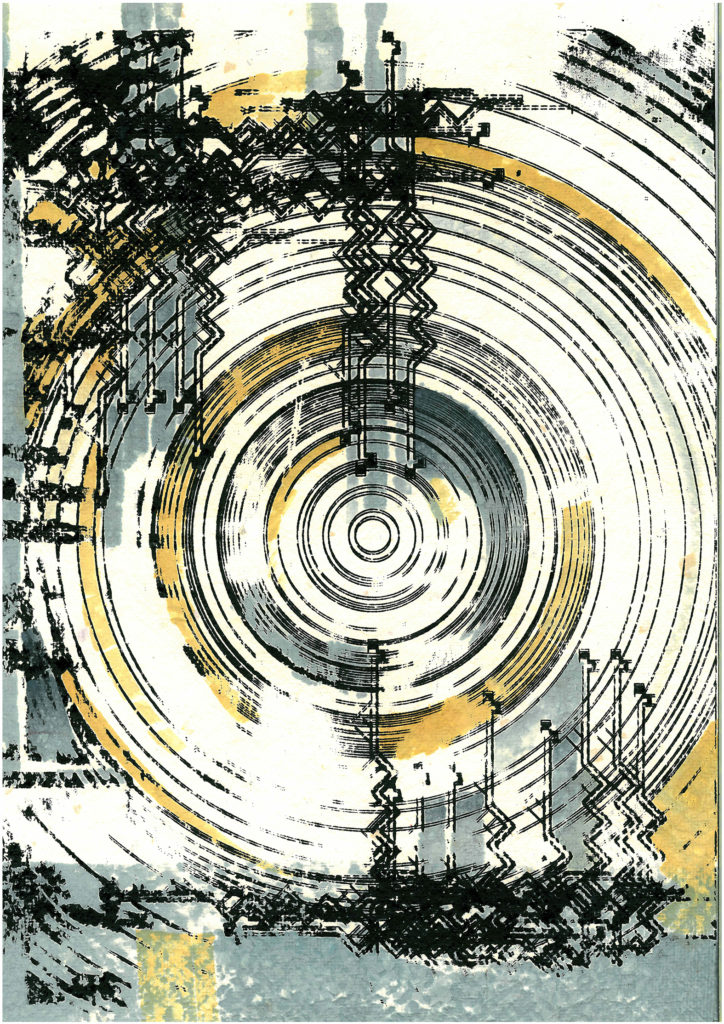
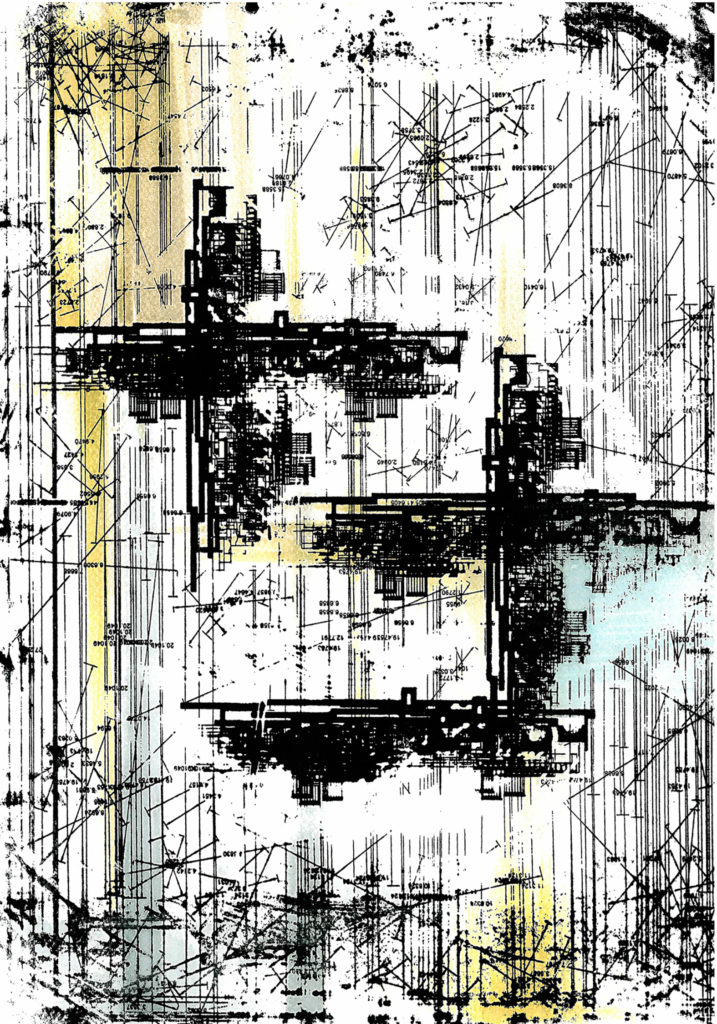
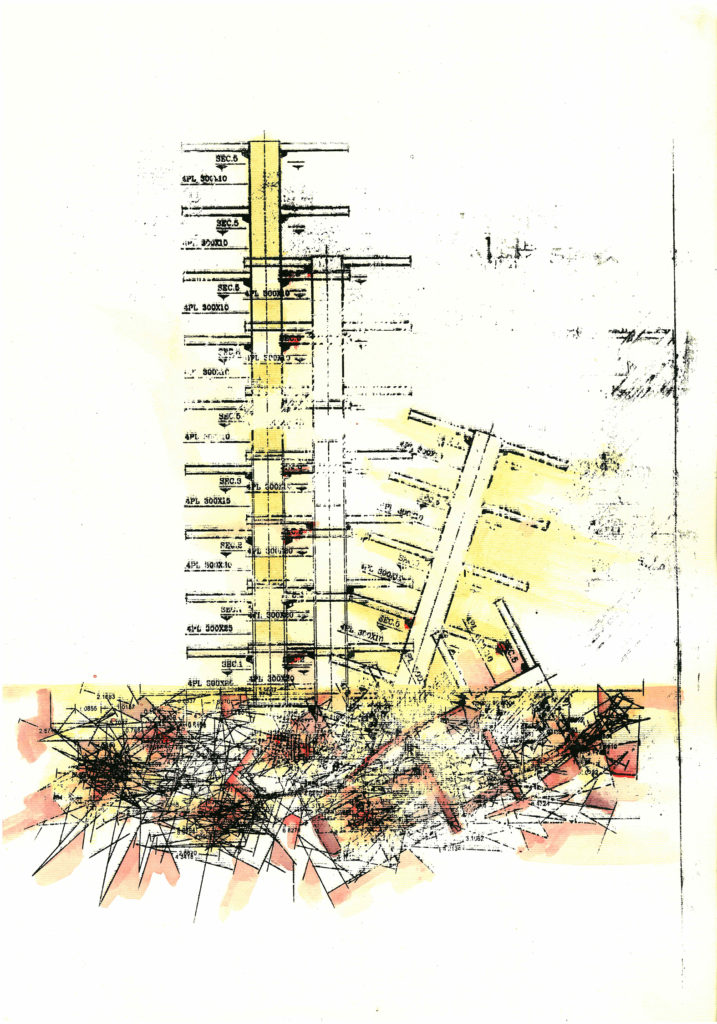
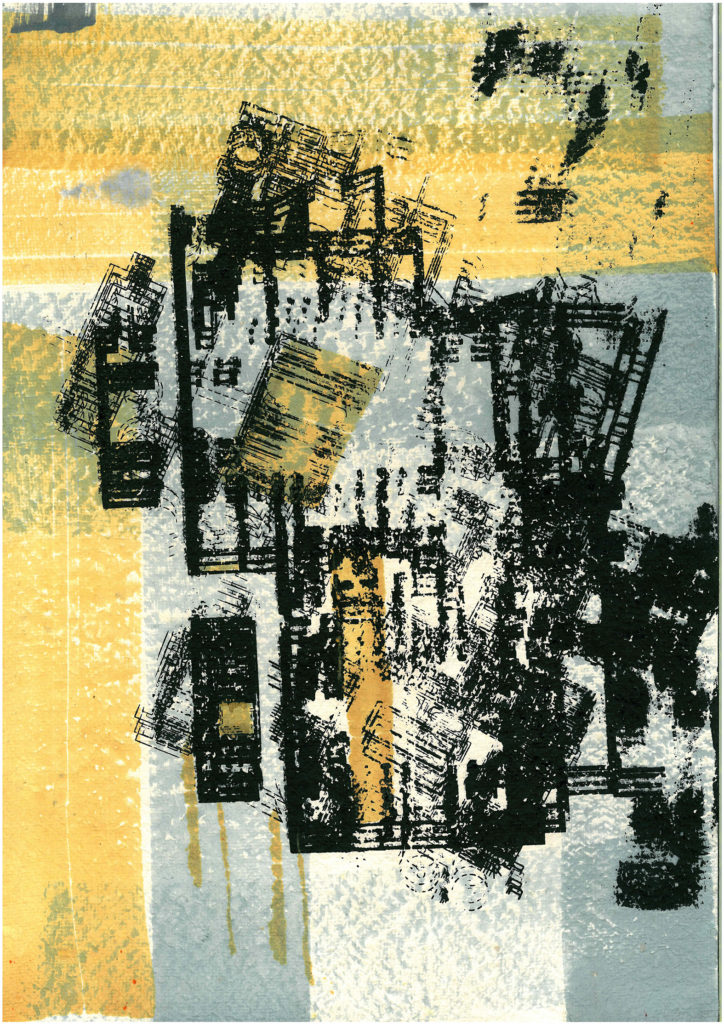
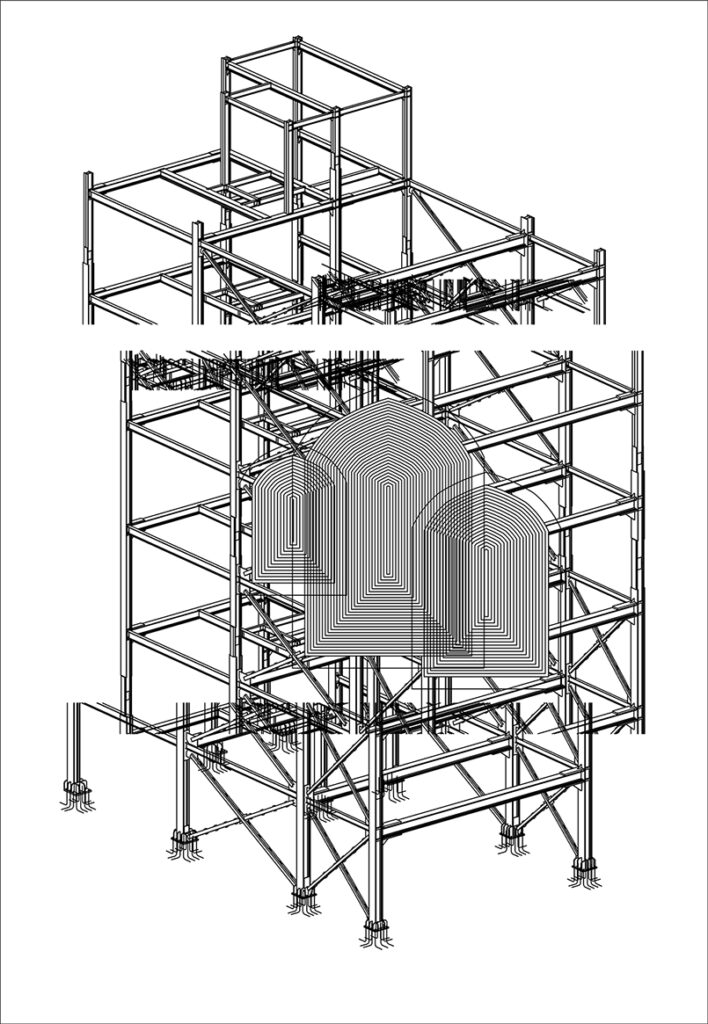
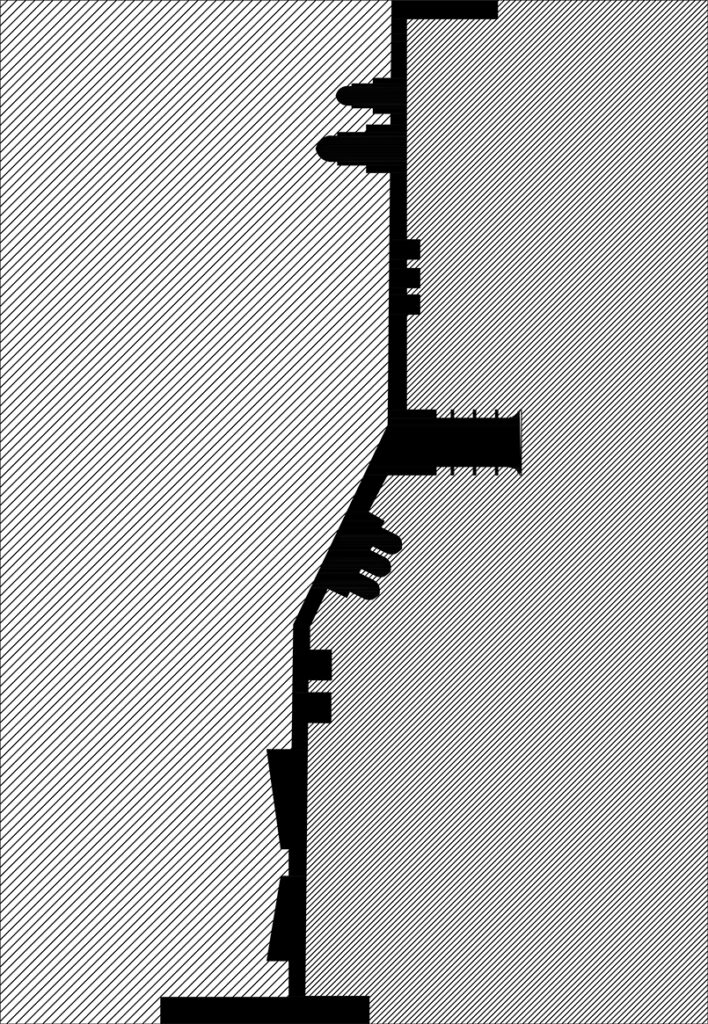
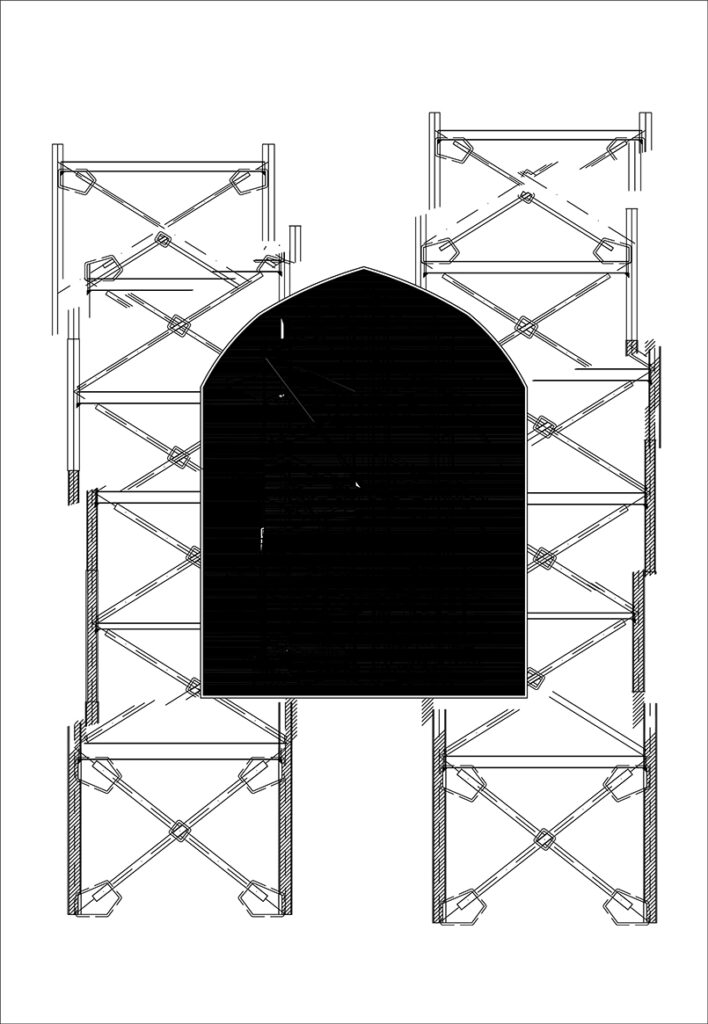
This project reinterprets man made structures as monuments places within the landscape acting as architectural metaphors with technological achievements (prints and abstract paintings).
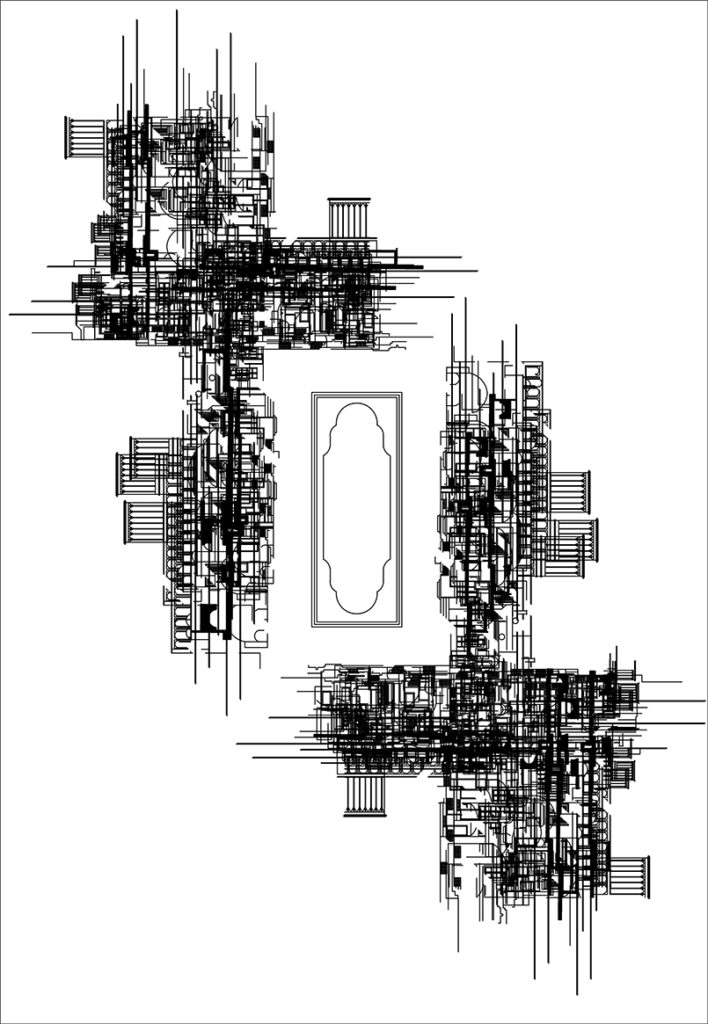
I have a longstanding fascination with space creation. focusing on abstract technical, repetition and mass congestion created by line and color.
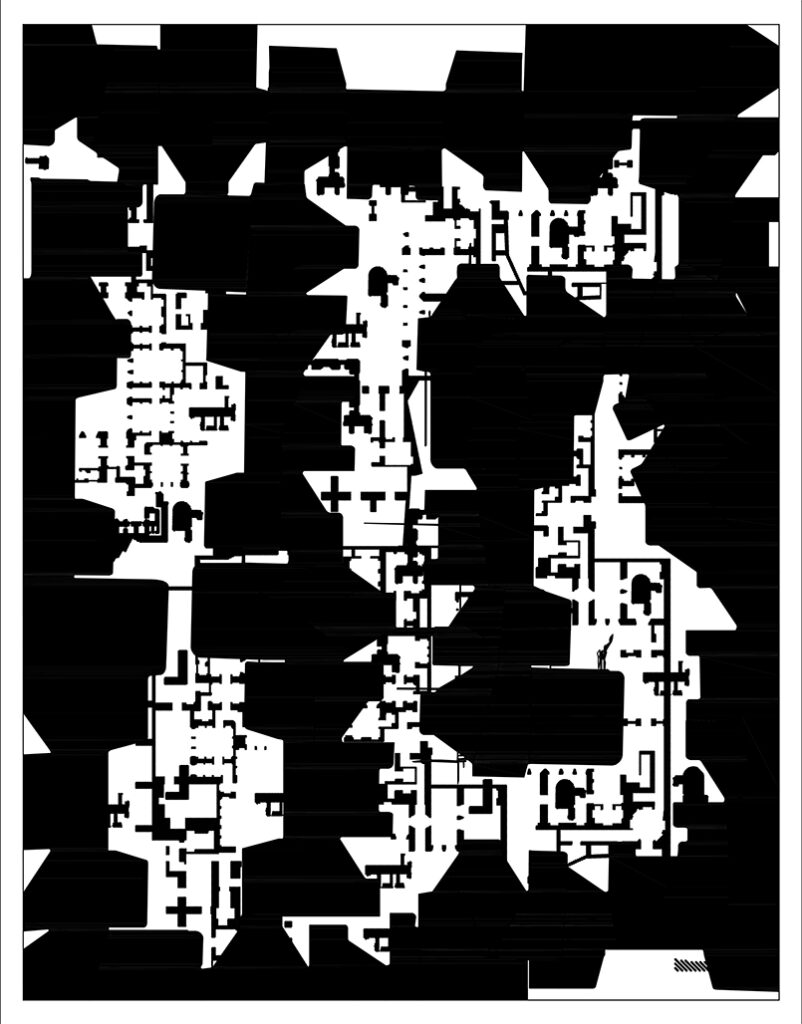
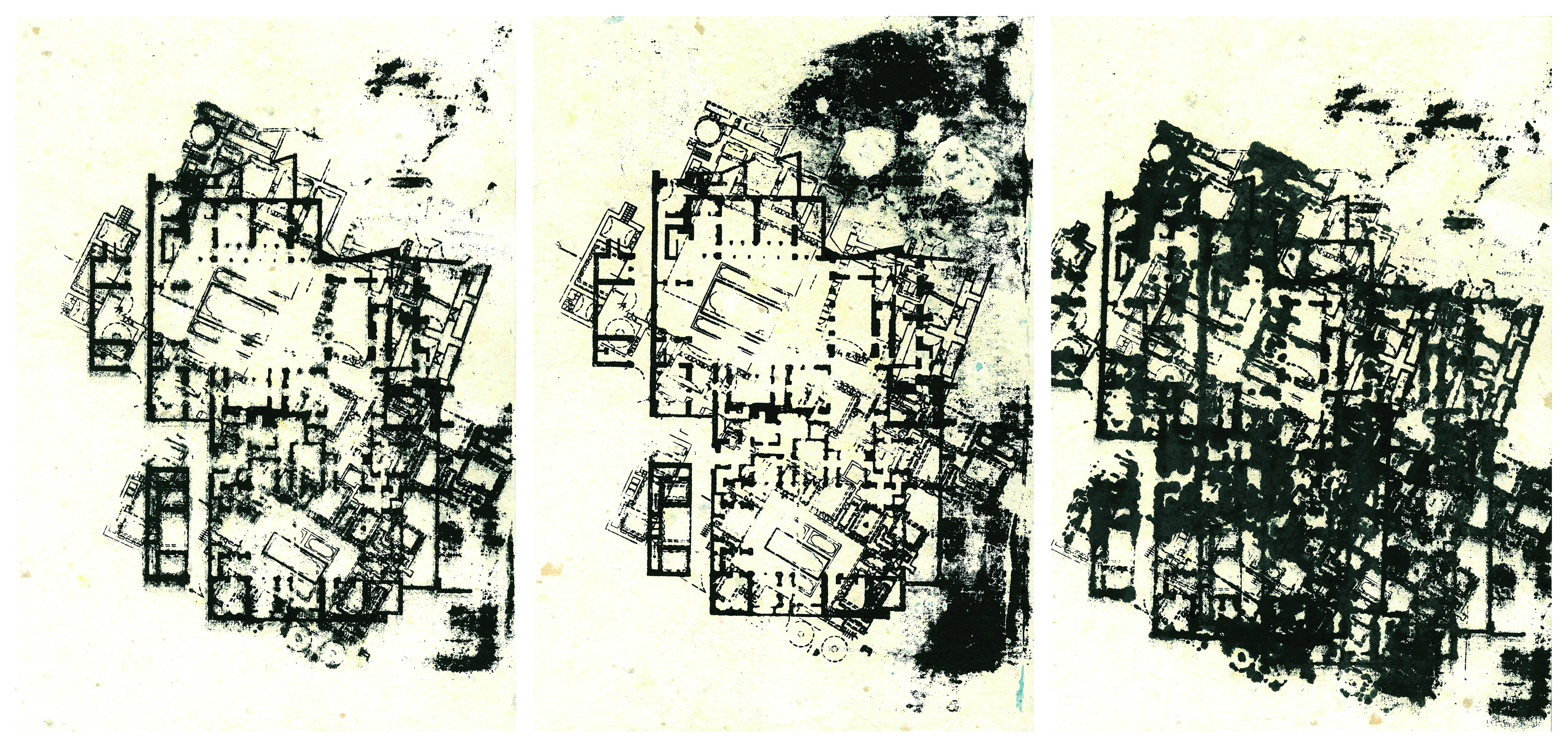
The work servers as a visual document and record of places that has been Destructed and Dissolution. the purpose of this series is to restore positive space by color to negative space of Destruction.
When I saw the spaces that were destroyed, I felt that destruction in its own way no longer meant like past to me. The negative dimension of destruction was negated, and by destroying it, a new expression of space was created. The meanings had changed and the negative space had become meaningful and positive.
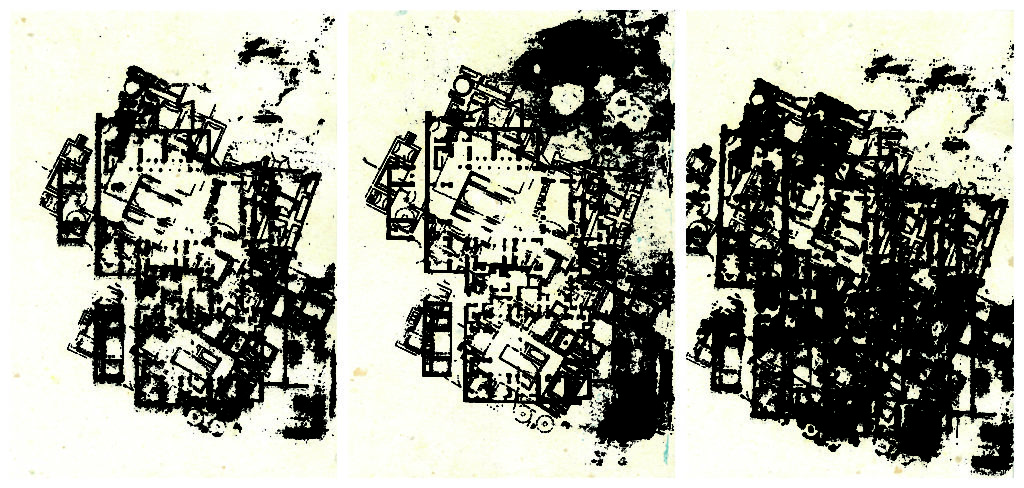
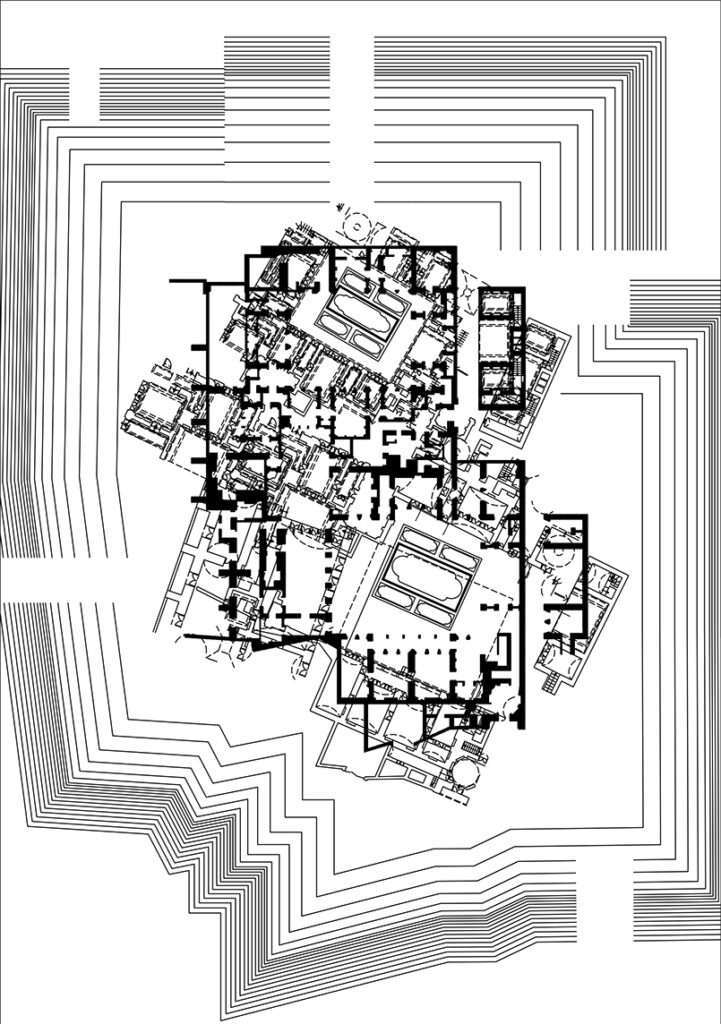
I use silkscreen as a tool to investigate the creation of physical artworks from disintegrating digital images. The structures that I build up from these fragments grow organically, preceding their own design. Forms negating themselves, light/dark negating space.
.